SUSTAINABLE DEMOCRACY IN NIGERIA: THE IMPERATIVES
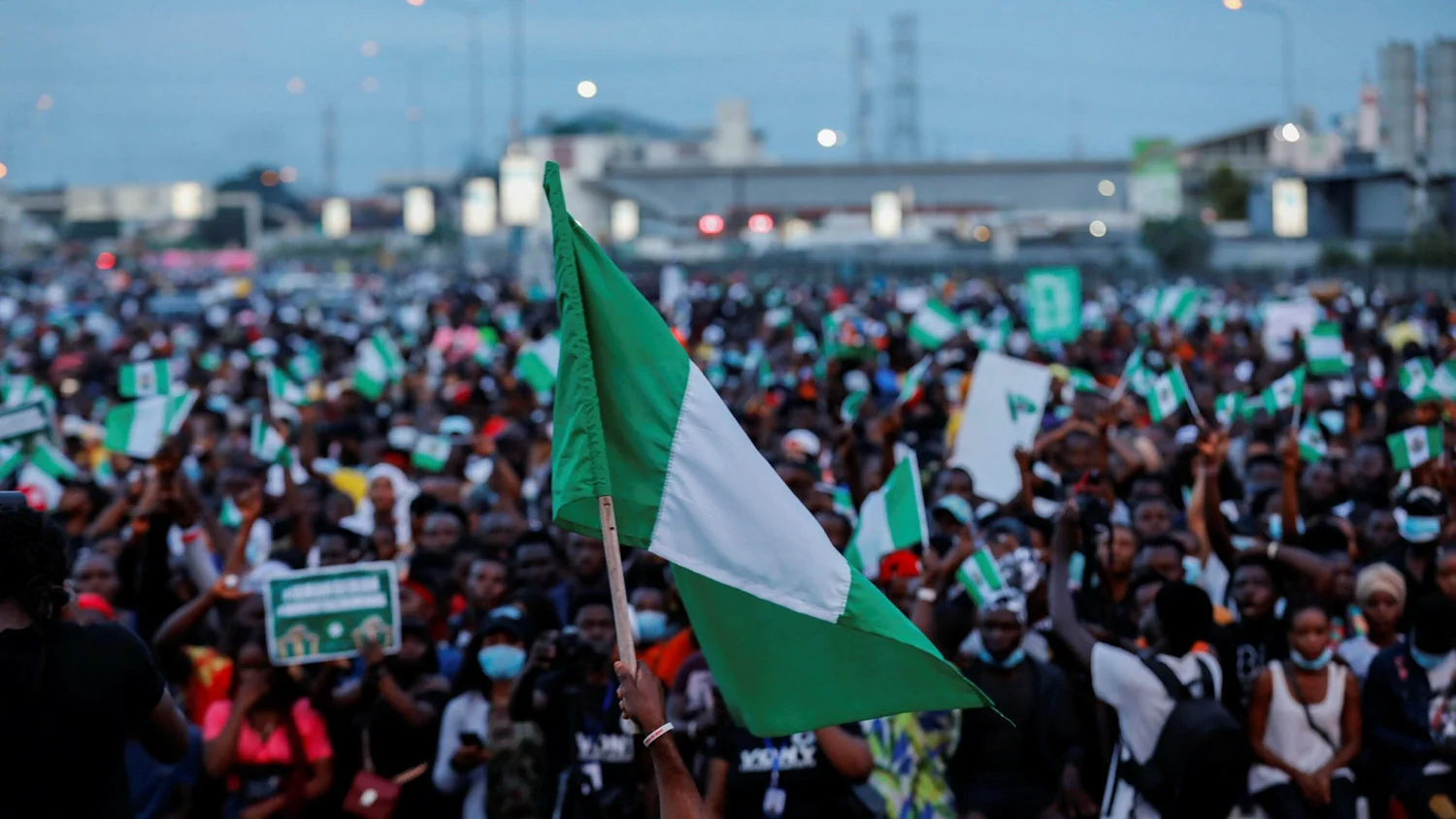
The beauty of democracy lies largely in the freedom it gives citizens to participate in choosing their leaders and contributing to decisions that affect their lives.
It is a system of government in which political authority ultimately belongs to the people, who exercise it directly through elected representatives.
Democracy is built on principles such as citizens’ participation, the rule of law, credible elections, respect for fundamental rights, accountability, transparency, freedom of the press, and separation of powers. While countries may practice democracy in different ways, based on their history and social environment, these basic principles remain important to effective democratic governance.
In Nigeria, democratic practice has made progress since the return to civil rule in 1999, but several challenges remain. These include electoral malpractice, corruption, weak institutions, poor accountability, and decline in public confidence in some aspects of governance.
Addressing these challenges requires not only stronger institutions, but also greater participation by citizens. Nigeria’s diverse cultural and social background has also shaped its democratic experience. Before colonial rule, different communities had different systems of governance. Some were highly centralized, while others operated more participatory and community-based systems. This history shows that Nigerians have long had different approaches to leadership and decision-making.
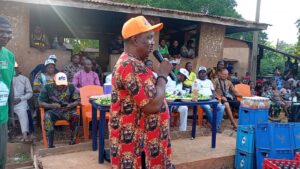
In a modern democracy, however, there is a need to build common values that promote inclusion, dialogue, peaceful coexistence, and respect for differing opinions. Participatory democracy goes beyond voting during elections. It involves citizens taking an active interest in public affairs, engaging with their representatives, asking questions, and contributing to discussions on policies and development. It also requires government to create opportunities for citizens to be heard and to ensure that their concerns are taken seriously.
As preparations for the 2027 general elections gather momentum, there is a need for all stakeholders to encourage peaceful and meaningful participation. Political parties should provide platforms for citizens to understand their programs and policies, while candidates should engage the electorate responsibly.
The media also has an important role to play by providing accurate information, giving citizens access to diverse views, and promoting informed public discussions. Voters, on their part, should make efforts to understand the issues and participate responsibly in the electoral process.
The independence and credibility of electoral institutions must also be protected. Citizens should be able to register, vote, and express their choices without intimidation or unnecessary barriers. At the same time, political actors and their supporters should respect the rights of others and accept lawful outcomes.
Democracy is not only about the will of the majority. It also requires the protection of minority rights and respect for different opinions. Opposition political parties, civil society organizations, and other groups should be allowed to contribute to public discourse within the law. There is equally a need to strengthen the legislature and judiciary to ensure that government institutions operate within the provisions of the constitution. Accountability and transparency should remain central to the relationship between government and citizens.
For the country’s democracy to grow stronger, citizens must see themselves not simply as voters who participate once every four years, but as stakeholders in the governance of the country. Encouraging greater participation can help build trust between the people and government and promote a stronger sense of ownership of the democratic process.
Nigeria’s democratic journey is a collective responsibility. Government, political parties, electoral institutions, the media, civil society, and citizens all have roles to play. The task, therefore, is to build a democratic culture where citizens are encouraged to participate, leaders listen to the people, institutions remain accountable, and differences are resolved through dialogue and peaceful processes. Only through such sustained participation can Nigeria continue to strengthen its democracy and build a system of governance that reflects the aspirations of its people.