Nigerian Chequered Election History: Politicians Do not understand Democracy – Igboke
Elections in Nigeria can be traced to 1923 when the first election was held in Lagos Nigeria following the introduction of the elective principle by the Clifford’s Constitution of 1922. However, general elections in the independent Nigeria Federation started with the pre-independence parliamentary election of 12 December 1959, which was conducted by Electoral Commission of Nigeria headed by Mr. Ronald Wraith.
That election produced parliamentarians who formed government for the then new Independent Nigeria on October One 1960, and since then, Nigeria has had about eleven general elections at various times, ranging from 1964 to 2023 general elections.
Each of those elections came with various degrees of allegations including rigging, violence and imposition, vote-buying among others.
Nigerians would not easily forget the crises that followed the general elections of 1964, especially in the then Western Region of the country, which has been referred to as one of the major causes of the Nigerian civil crisis of the mid-sixties.
Even the general election of June 12, 1993, which was adjudged the freest and fairest election in the history of Nigeria was not without fraud as there were allegations of inflated figures result from Option A4 that was adopted.
Analysts were unanimous in their views that Nigeria has never witnessed a credible, free and fair election since independence due to high level of fraud, ethnic profiling, corruption, dependency of the electoral commission on the executive arm of government among other political factors.
One question that have been begging for answer is the reason it has been difficult for Nigeria to conduct a credible election since it got self-governance from the Britain in 1960.
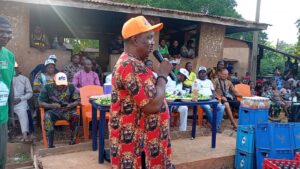
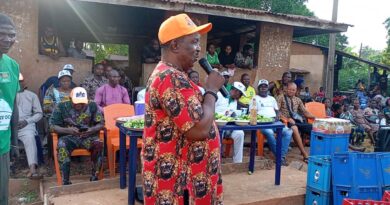
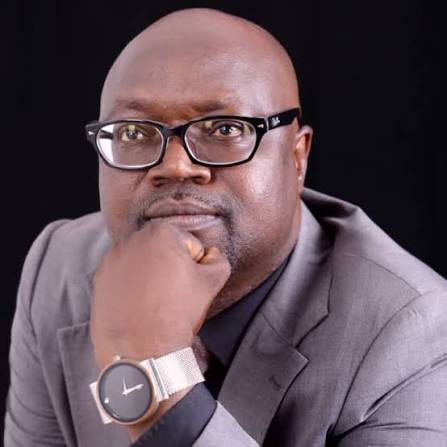
A public affairs analyst and a communication expert, Dr. Ambrose Igboke, pointed out that most of the political elite have failed to understand the tenets of democracy which are strengthened through elections.
I keep on maintaining that what we have is civil rule. We have not really understood what democracy is all about. The Nigerian political elites have not been able to understand that democracy is all about doing well, having the buying of the people, having positive scorecard, impacting positively on the lives of people, so that you can be elected or re-elected or your party can be in government. But what we have here is civil rule where politicians and the political elites behave as if the people don’t matter. They believe that it is their own way to run the country however they deem fit without recourse to the electorate. They see the electorate as pawns to be played in a chess game and not people that have real value, except during elections. So they do whatever they have to do, they live in the comfort zone, while the people live in squalor and suffering. And that is exactly what has been recycling itself since the elections especially in the fourth republic.
Dr. Igboke lamented that the winner-takes-it-all syndrome has destroyed Nigeria’s electoral system, urged Nigerians to reclaim their power which they have handed over inadvertently to political elites over the years due to primordial sentiments.
For the election to truly reflect the aspirations and majority of Nigeria, the Nigerian citizens themselves need to wake up. They are too docile, they are divided among pre-modal sentiments, tribe, ethnicity, religion, all kinds of shenanigan. And that is why the political elites do whatever they want, because the majority of Nigerian citizens do not even know what democracy is all about, they do not understand it. And so they cling to whatever the political elites tell them. They don’t even want to challenge the authorities for good governance. So they swallow everything hook line and sinker. They praise these people, they fight for them, even when you want to protest about some injuries to the economy or whatever. It is the same citizens that will fight against you. So if the citizens realize what they want, whether they demand for good governance and protect their vote like what happened in Osun, then perhaps we can start having a semblance of that. But most of the time, the Nigerian citizens are too afraid, and they want somebody, they want a foreign body from celestial realms to come and fight for them. It won’t happen. It is you that will fight for your rights. It is you that will protect your vote and it’s you that will make the country.

(Photo: FRANCOIS ROJON/AFP/Getty Images)
For 66 years of self-governance in Nigeria, I think one of the biggest problems have been Nigerians, the Nigerian electorate do not know their power. The Nigerian electorate have handed the power of democracy to the political elites. They should be able to claim it back. 66 years after, they should be able to claim it back. But as the run up to 2027 election, it is very clear that Nigerian citizens are not even ready to claim back their power. They are still appendages of political elites and they don’t even understand what democracy is all about. So, it’s time for NGOs, civil society organization to enlighten the people so that the real power resides in them and not with the elected.
He however maintained that the electoral system has recently improved technologically but lacking in human resource input.
But elections are just done in Nigeria as routine. The principles of election, most of the time are lost because it’s about ballot snatching, people being threatened, some people make sure they don’t come out for elections and all kinds of violent rhetoric. Our electoral system has improved in terms of the technology, in terms of the advancement in the processes, but it has not improved in terms of the human resource input. It has not improved because of the mindset of the people who are operating the system. So we have migrated from manual to card reader, to BIVAS, to all these things. But at the same time we find that we have not improved because we, the people, who are operating the system as Nigerians, I want to ensure that the system fails and that is the greatest tragedy of it all.
As the nation celebrates its sixty-six years of nationhood, Nigerians are hoping to witness a free, fair and credible election in the country in the next few months.